
FASHION
Beyond the Runway: London Fashion Week SS27
BY VANESA KRIZONYTE
It is one thing to attend a fashion show. It is another to live it. For London Fashion Week Spring/Summer 2027, the experience unfolds through digital snapshots before slipping the camera back into a handbag. The camera captures fashion moments in real time, rather than waiting for an editorial-grade shot. Dressed in independent labels, we felt the attitude of each garment through its movement and presence.
Snug in the corner of a dimly lit hotel lobby, surrounded by Andy Warhol and Henri Matisse artwork, this narration shifts from keyboard tapping to pen gliding across paper. From trends and highlights to the behaviour of the fashion crowd, raw observations reveal the world beyond the runway: backstage, side rooms and the spaces in between.
Ginny Litscher The Summer Collection For Every Moment
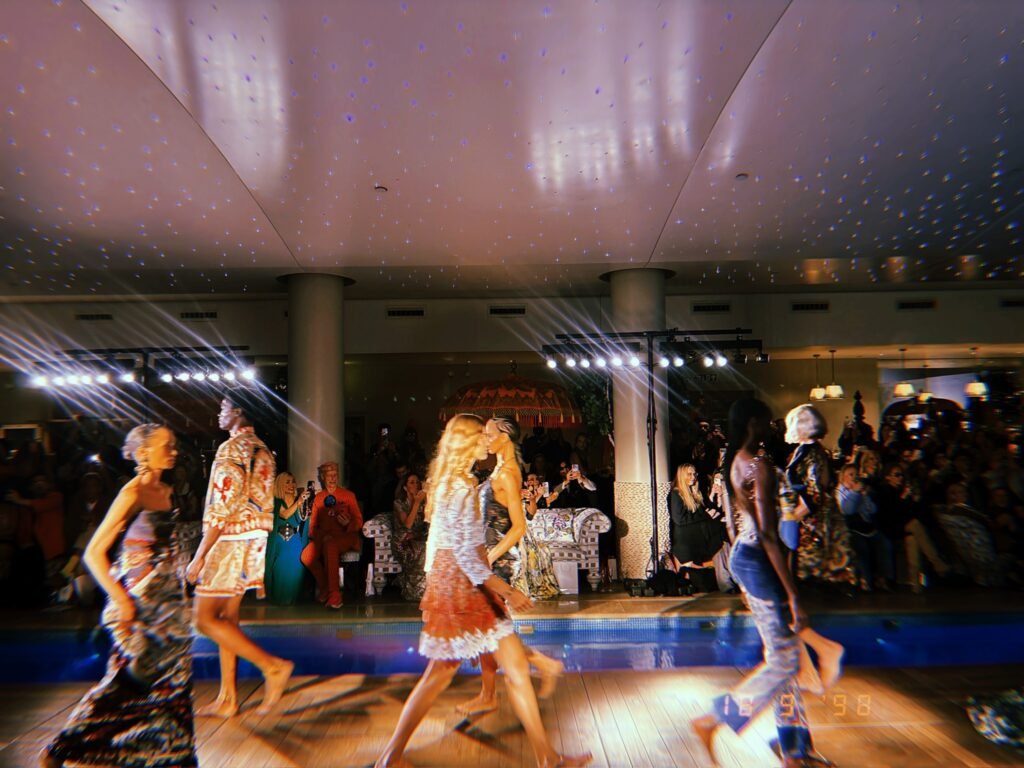
Flicking through the portfolios of leading fashion photographers, summer repeatedly appears as something fleeting. The Ginny Litscher collection at The Haymarket Hotel London awakened the feeling of a luxury escape.
Featuring Baroque and Renaissance-infused kaftans, slip dresses and kimono robes, the collection effortlessly travelled from casual days by the sea to cocktails and to dinner. The catwalk stretched across the hotel pool, with Denise Lewis, Denise Van Outen and Natalie Pinkham seated in FROW beneath sun-lounger umbrellas – shimmering in Ginny Litscher’s sequin work and the iconic Alexandra dress. With models walking barefoot, the SS27 collection took on a distinct holiday ease offering a translation from runway to summer escape.
The runway transitioned to an after-party with glamorous guests mingling over Palomas. Among the poolside furnishings, we caught illustrator Charlotte Ives sketching the energy of the fashion crowd – each illustration responding to the personality of its subject and pencil strokes inspired by her admiration for movement in music.
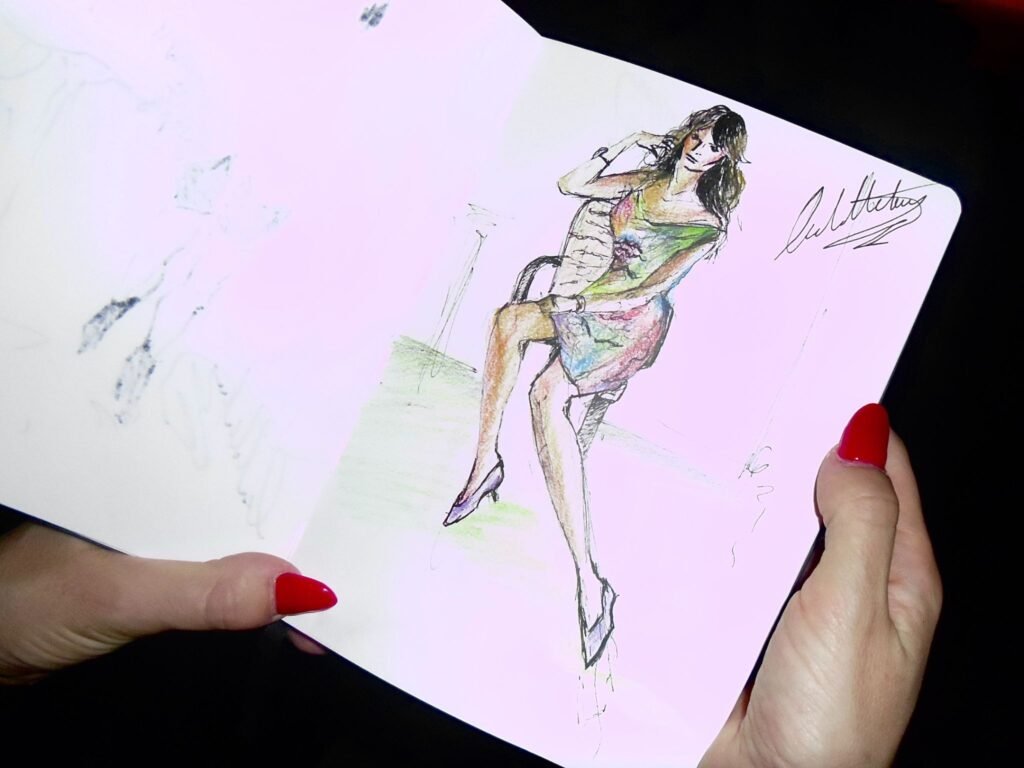
What does it mean to be an illustrator for the Ginny Litscher catwalk and is there anything you noticed about the guests?
Charlotte Ives: Illustrating for Ginny’s show felt electric. Ellen von Unwerth sat beside me and remembered me from a previous show. At one point I sketched one of the guests on the spot, capturing their features and character. Several photographers and guests followed me afterwards…it felt less like an assignment and more like being fully alive in the room.
Opening of Chef + Artist Infused Chevalet
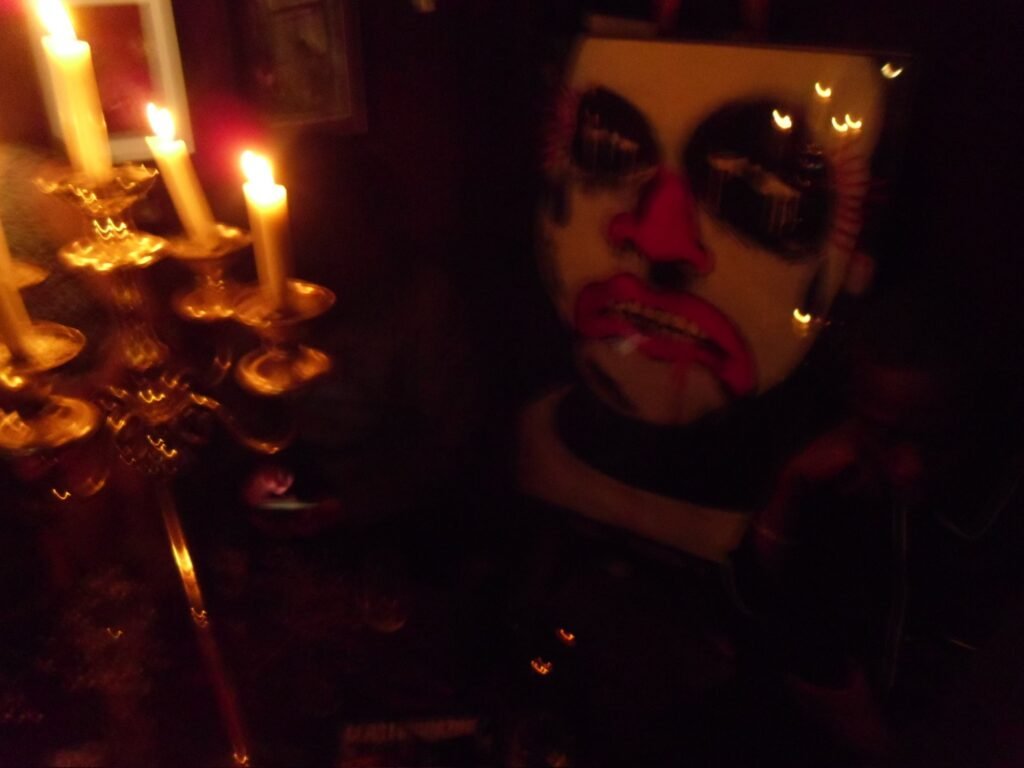
The French petit bistro and private members’ club Chevalet invited London’s fashion crowd to its opening – a destination where the menu changes and art sells off the walls. Located in an intimate dining room, with bleeding red walls and flickering candlelight, the space wasn’t simply a restaurant for the finest dishes. From soufflé to a rich saffron-infused bouillabaisse and limoncello tiramisu, it’s a gallery hidden with surprises.
‘It’s a feeling you have discovered somewhere you weren’t supposed to,’ says owner Daniel Farrow.
The evening attracted guests adorned in long evening dresses, shimmering jewels, and Victorian signature details. Lounging across the sofas, guests disappeared into conversation moving as freely as the art itself. Conversations drifted to SLAWN’s digital art projections at Moses Itauma’s boxing match, before attention turned towards the bar, where an easel held the restaurant menu.
The Chevalet becomes a meeting point between restaurant and gallery, chef and artist, dinner and Fashion Week opening party.
EE72 Takes Over Piccadilly Circus
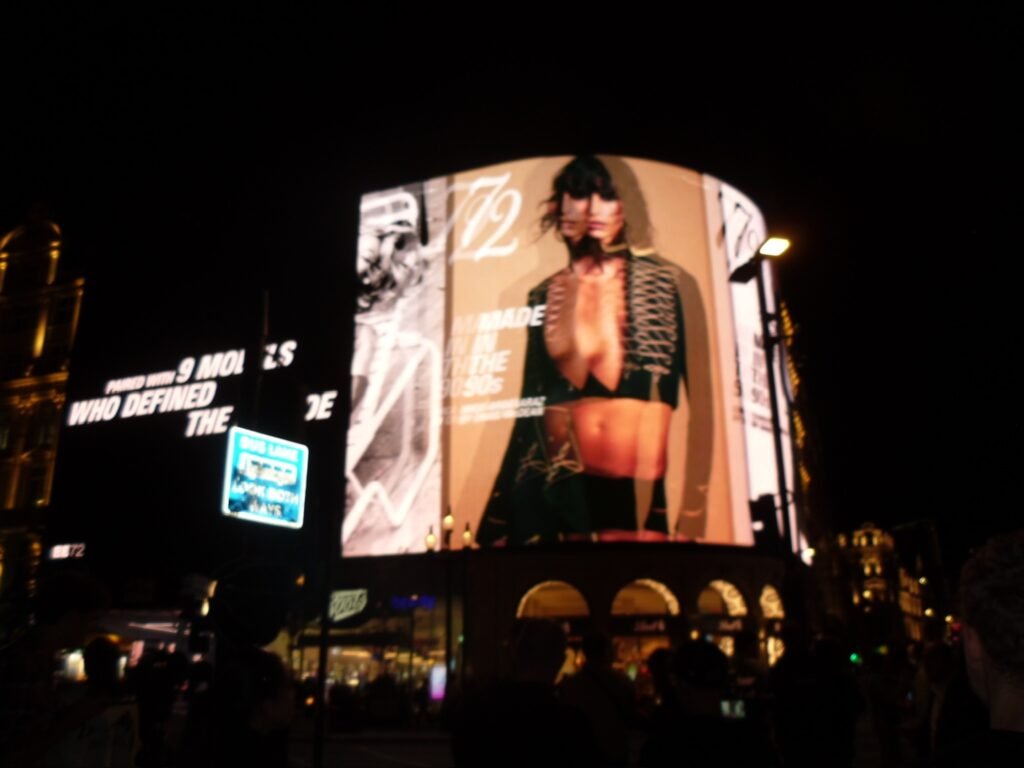
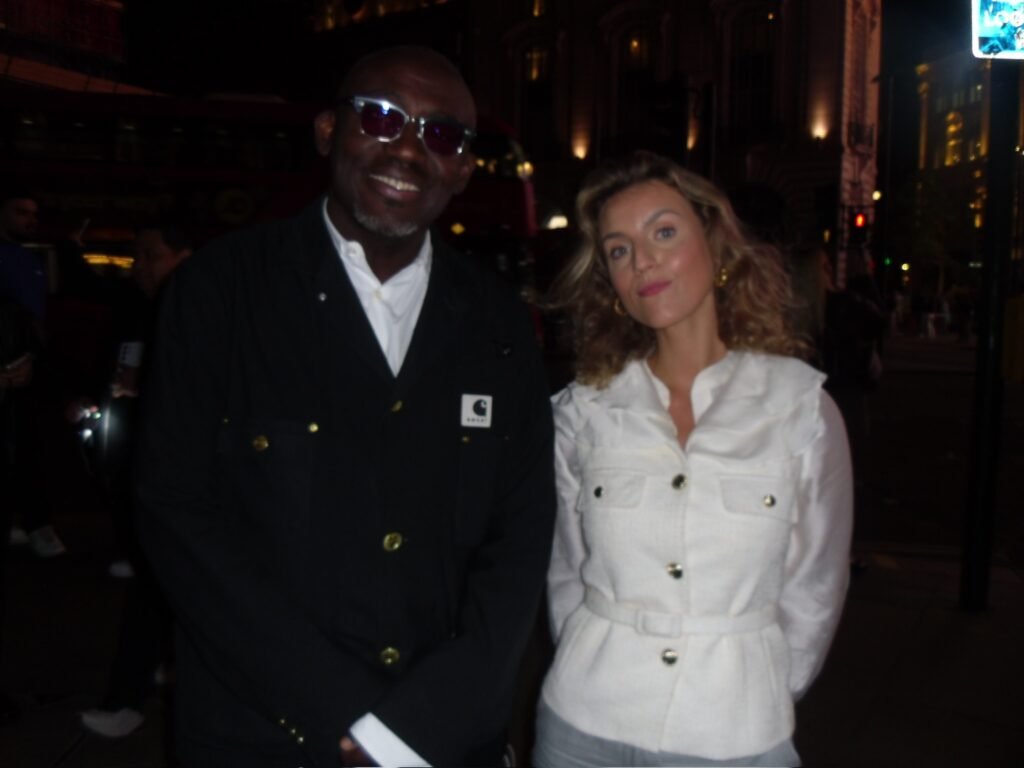
At 8 pm, Piccadilly Circus was transported back to the 1990s through Edward Enninful’s EE72 takeover. Projections of EE72 channelled behind-the-scenes footage of Gigi Hadid in Gianni Versace Spring Summer 1994 safety-pin dress, alongside Enninful in action. Gracing the famous West End circle during London Fashion Week, the digital footage invited Londoners to immerse themselves in the world of EE72.
Penhaligon’s Scent as Portrait
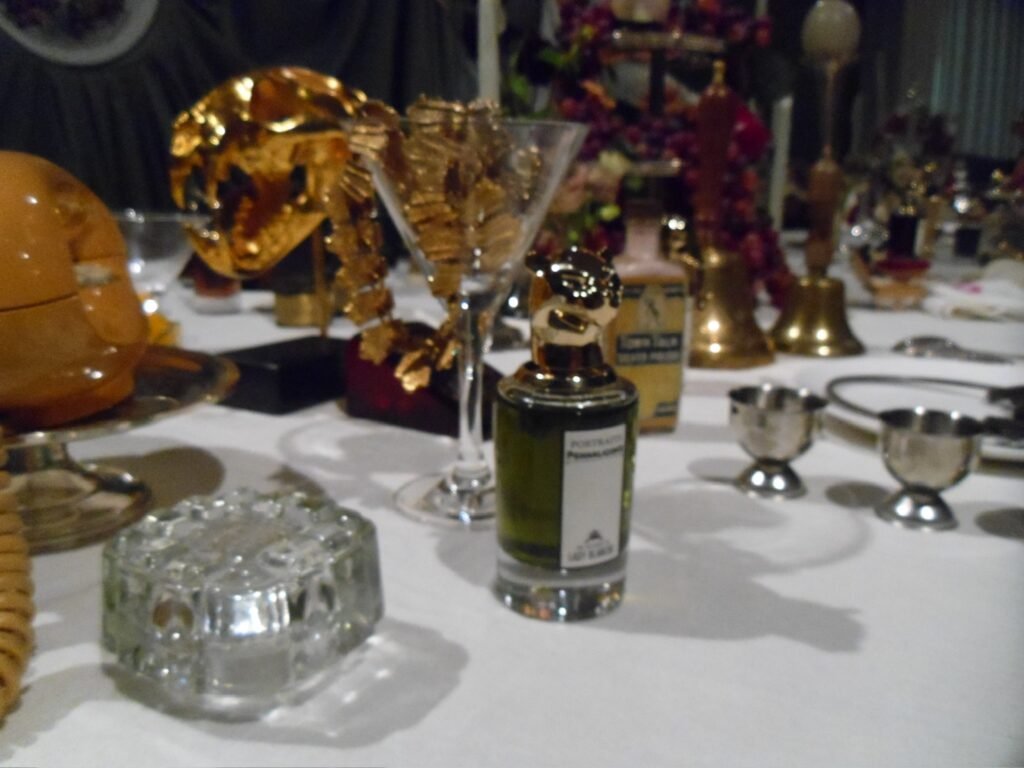
For the celebration of Penhaligon’s 10 years, the Royal Academy transformed into a scent kingdom and fantastical world where fragrances became characters and scent became a story.
The Who’s Who of London private party was filled with guests identifying with their chosen scent signature. Gathered around the dinner table, London’s fashion personalities were defined not by the clothes they wore, but by the scent they chose to accompany them. Penhaligon’s offered another way to read the room: through fragrance, memory and the invisible portraits we carry with us.
BAÉ Bringing Bridal Into Everyday Wear
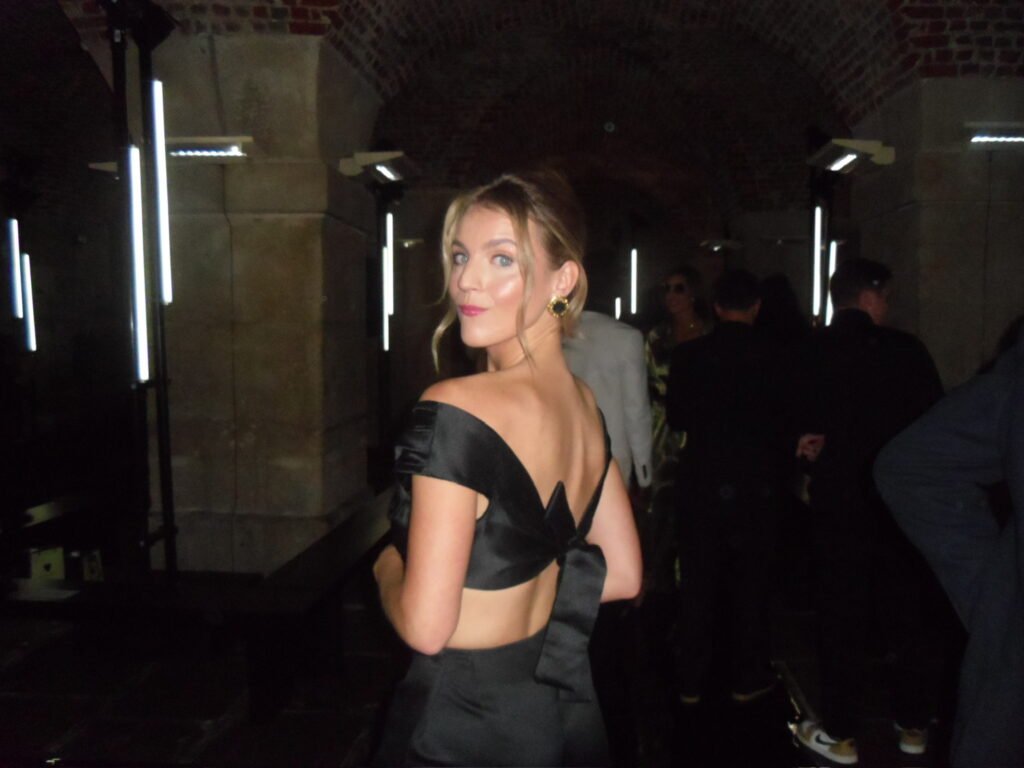
The John Richmond White Light White Heat runway brought a reflection on silhouette and light contrast. The movement of fabric tested boundaries, with lace appearing not as ornament but as a disruption. Followed by sudden flashes of coral-red skirts and dresses.
The dramatisation of materials and reimagining of traditional lace correlated with the brand BAÉ redefinition of bridal as occasionwear. Disrupting convention, BAÉ approaches bridal through versatility, where elegance meets glamour and practicality. The result is a garment to be cherished and worn repeatedly.
Hubing Selects The Fusion of Leather and Music
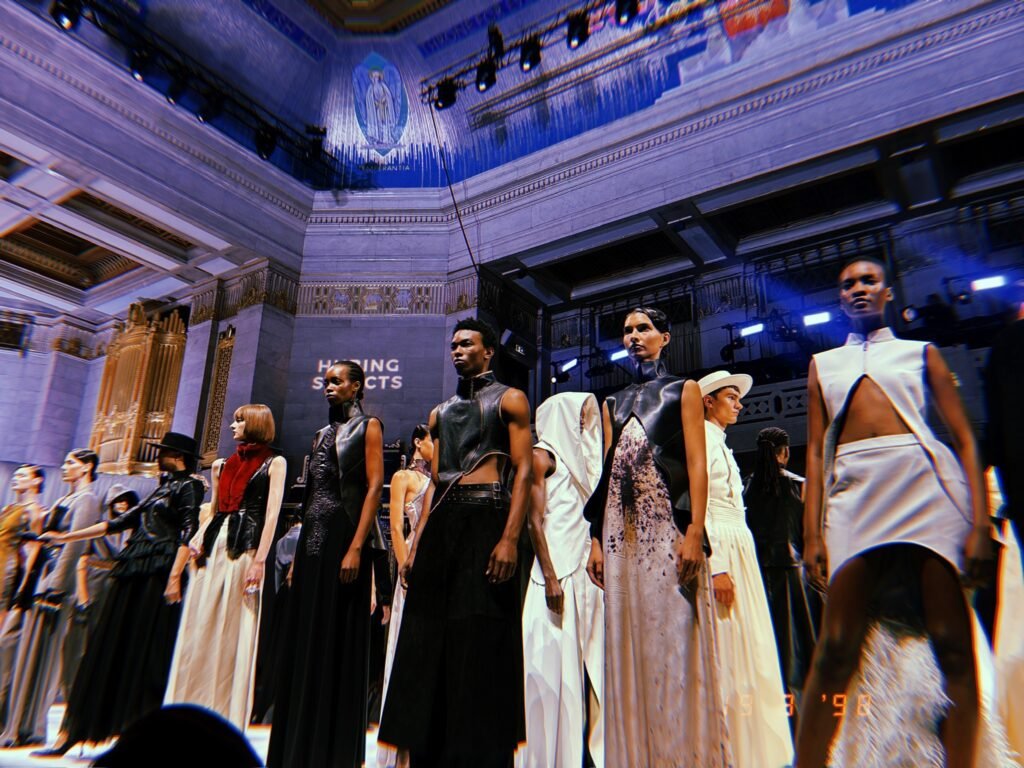
Almost every luxury collection will layer leather. At the cinematic Hubing Selects Urban Grace catwalk, leather was treated not as a surface but as a living material shaped through time, pressure, and imperfection.
Through leather and light, the models crossed various time zones: 1930, 2030, 3030. Moving through imagined stages of leather’s existence, shifting between casual, smart, mysterious, and glamorous looks.
Hubing Selects After-party is Yves Saint Laurent Time
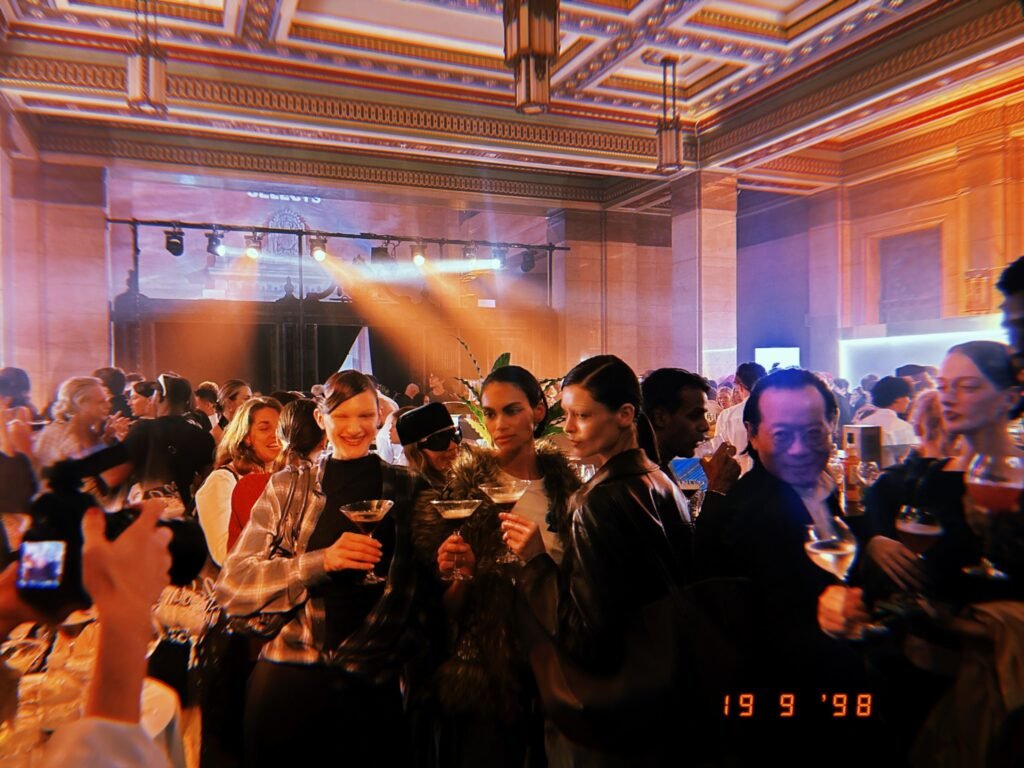
As the time zone marked the after-party hours, espresso martinis overflowed and the DJ waves hit the ceiling. Through the atmospheric haze Darren Johnson’s digital art moved in sync with the music.
Through the haze, one vintage Yves Saint Laurent Fall/Winter 1992 gold oversized foil-button blazer caught the light.
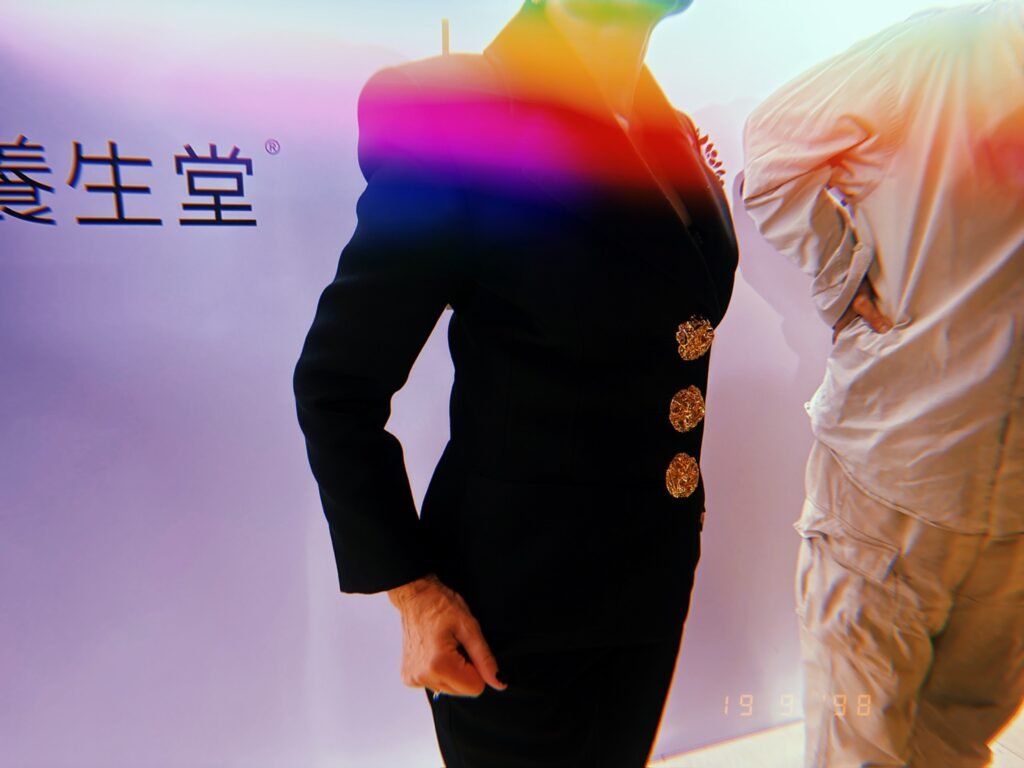
Flapper6 Made For Empowerment
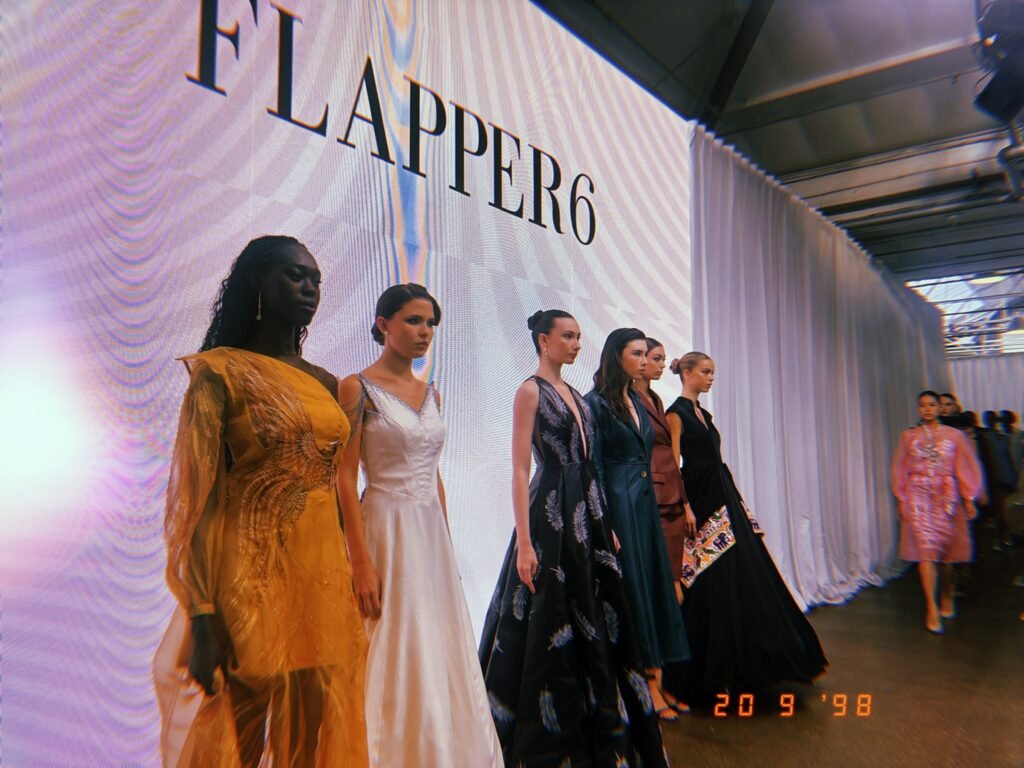
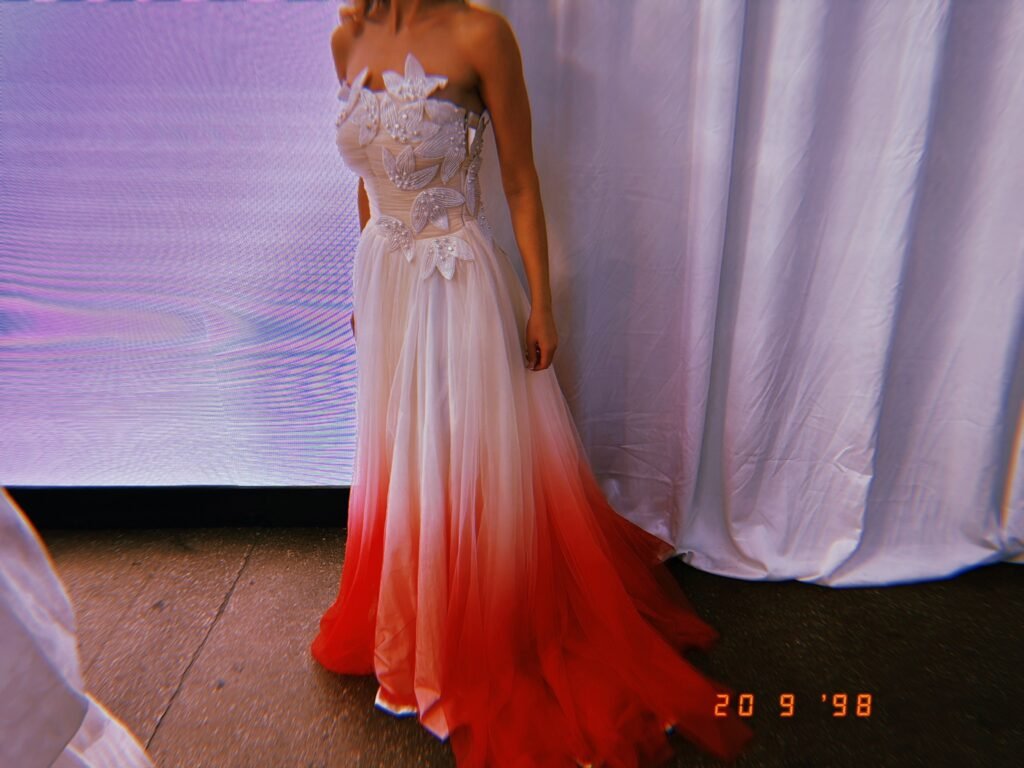
In a city exposed to the world and shaped by a fusion of styles, Flapper6 carries traditional Indian craft – measuring luxury in hours and intention not embellishment. The dedication visible in the ombré corset gown, with 3D patchwork, a sculpted waist, florals, and pink ombré draping, translated craft into ceremonial poetry.
Brian De Carvalho Bringing Maximalism Back
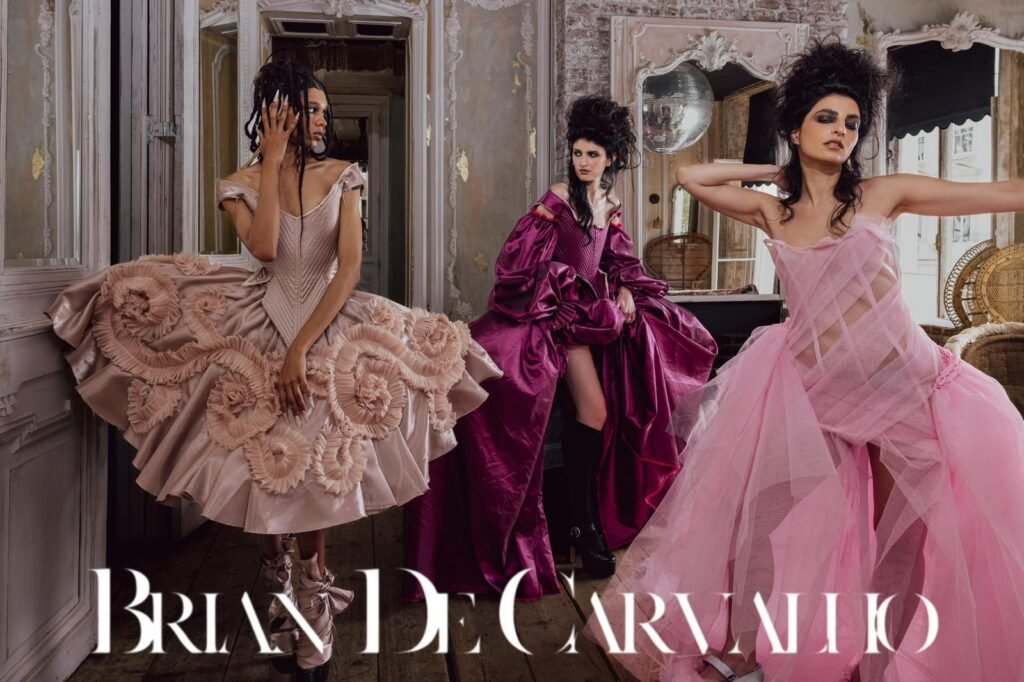
Running around London to find a minute to pause with Brian De Carvalho and hear their words of wisdom on navigating the fashion industry unveiled 18th-century costume design as a compelling fashion trend. From recent sightings on the Pussycat Dolls to Paloma Elsesser’s Vogue Italia cover, Carvalho is reintroducing an era when heavy rushed fabrics, corsets, ballet flats and tones of pink were the spoken fashion language. A Brian De Carvalho piece is worn because somebody wants to be seen, acknowledged, and remembered. There is no interest in creating clothing that politely disappears into the room.
What draws you to 18th-century costume and what is the rationale behind pushing maximalism in 2026?
The 18th century understood that dressing could be theatre. Clothing was architecture, social language, and spectacle. The proportions were exaggerated, the fabrics were unapologetic, and the workmanship was extraordinary. I am drawn to the idea that a garment could transform not only the body, but the entire presence of the person wearing it.
Of course, that beauty existed alongside enormous restrictions, both physically and socially. That contradiction fascinates me. A corset can constrain the body while forcing it to stand taller; an enormous silhouette can limit movement while making its wearer impossible to ignore. My work lives within that push and pull.
In 2026, maximalism feels almost rebellious. We have spent years being sold restraint, neutrality, and “quiet luxury,” while social media increasingly reduces fashion to something instantly legible and easily consumed. I want more emotion than that. Life is already difficult enough… I see no reason why the clothes should be timid.
How do you feel about London Fashion Week this year, and what would you like to see?
I want to see collections with a genuine point of view: clothes that reveal something about the person who made them, rather than pieces designed simply to perform well online or satisfy an algorithm. I would also like less fixation on hierarchy and more community.
Most of all, I want Fashion Week to make people feel something again. It does not have to be beautiful in a conventional sense, but it should be memorable. Indifference is surely the worst possible response to fashion.
Personal Notes
Fashion has always existed beyond the runway. It is the way a silhouette moves, the conversation it begins and the spaces between it. The digital camera records its fragments, but when the image ends fashion continues to live.
Thank you to Black PR for show invitations to Ginny Litscher and Flapper6. Deepest gratitude for dressing us in BAÉ, GR London and Flapper 6. Thank you to Natalia Cassel for inviting us to the Chevalet club launch. Thank you to Eleanor Juliet PR Ltd and Brian De Carvalho for the interview. Special thanks to dearest friends for supporting our fashion week journey and the invitations. Gratitude to the London Fashion Week and British Fashion Council committee for hosting. Published September, 2026.
